El-Ghazali: The Practical Mystic

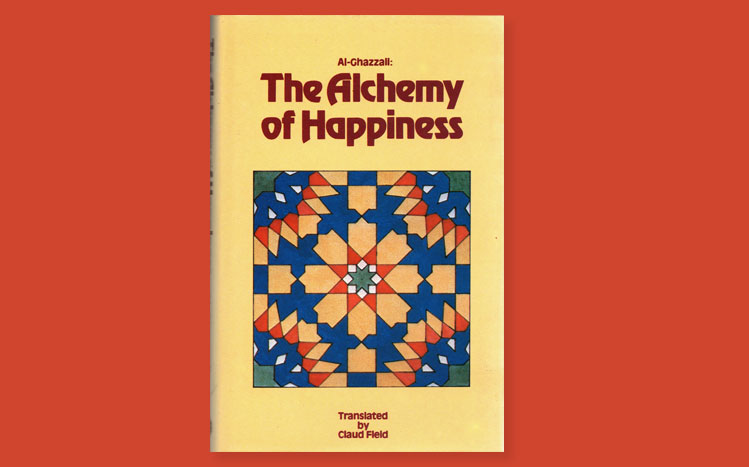
El-Ghazali: The Practical Mystic The twelfth-century philosopher and Sufi el-Ghazali quotes in his Book of Knowledge this line from el-Mutanabbi: ‘To the sick man, sweet water tastes bitter in the mouth.’ This could very well be taken as Ghazali’s motto. Eight hundred years before Pavlov, he pointed out and hammered home (often in engaging parables, … Read More

Ibn El-Arabi: A Classical Sufi Master

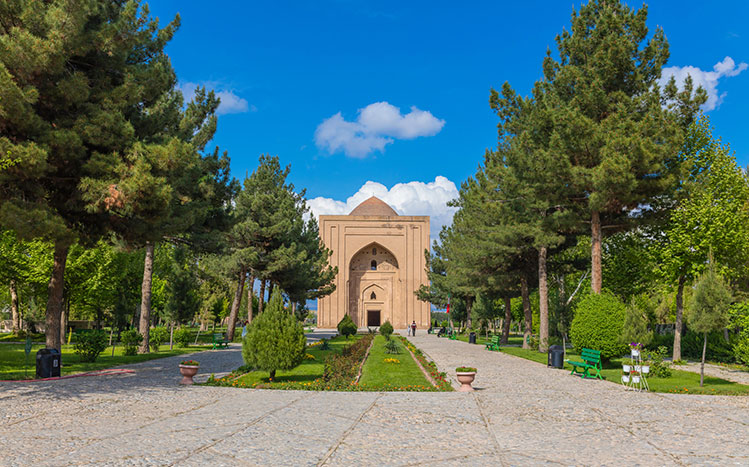
Ibn El-Arabi: A Classical Sufi Master by Peter Brent Born into a Sufi family almost exactly a hundred years after El-Ghazali, almost exactly forty years before Rumi, Ibn el-Arabi, like them, displayed great gifts even in childhood. Brought up in the heyday of Arabic Spain (paradoxically, one of the most civilised societies in European history) … Read More

The Use of Sufi Stories by Idries Shah

The following excerpt is from a lecture by Idries Shah about the Sufi use of stories. It is a good example of how he used stories in context, in this case to explain something of the role of stories themselves – Saira Shah, Editor, The Idries Shah Anthology THE TEACHING STORY by Idries Shah I … Read More

The Meaning of Rumi’s Work

The Meaning of Rumi’s Work by Peter Brent
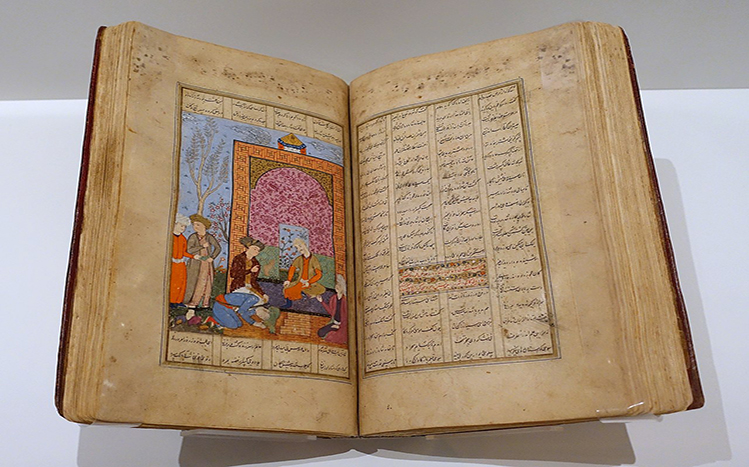
Jalaluddin Rumi, whom Sufis call ‘The Master’ and Professor Fatemi entitles ‘The Light of Sufism’, was born in Balkh, now in Afghanistan, in 1207. His father was a famous scholar and theologian, so that Rumi’s early training was in the rigorously classical and logical modes.

Blog: Saira Shah on taking her father’s Sufi literature back ‘home’

Saira Shah on taking her Father’s Sufi literature back ‘home’ – and searching in Old Istanbul for the right Turkish translator Stumbling through the streets of Istanbul, I wondered yet again if I was on the right path. Following handwritten directions scrawled on a crumpled piece of paper, I found myself instructed to pass under … Read More